
In today’s fast-paced world, convenience often trumps nutrition, leading many of us to rely on ultra-processed foods that are quick, easy, and seemingly satisfying. However, the long-term effects of these foods on our metabolism and overall health are undeniable. Sluggish energy levels, unexplained weight gain, constant cravings, and poor digestion are just a few signs that your metabolism might be out of balance. The good news is that your body has a remarkable ability to reset itself—provided it receives the right fuel. By eliminating processed foods and focusing on nourishing, whole foods, you can revitalize your metabolism and start feeling better, both inside and out.
The Impact of Processed Foods on Metabolism
Ultra-processed foods are an ingrained part of modern diets. From packaged snacks and sugary cereals to ready-to-eat meals and instant noodles, these foods may save time but often come with a heavy cost to our health. While they may be convenient, they cause rapid insulin spikes, leading to fat storage, energy crashes, and an increased risk of metabolic disorders like insulin resistance and obesity. These foods are also typically loaded with artificial additives, preservatives, and excess sugars, which can cause inflammation in the gut, disrupt digestion, and impair nutrient absorption.
The consequences of poor metabolism go beyond weight gain. It affects hormone balance, energy levels, and mental clarity, making us feel tired, irritable, and out of sync with our own bodies. Processed foods are often designed to be hyper-palatable, meaning they are engineered to taste so good that we crave them even when we aren’t hungry. This leads to overeating and constant snacking, further throwing off the balance of our metabolism and leading to long-term health issues.
In order to reset the body and regain metabolic health, we need to make a concerted effort to eliminate these processed foods and replace them with real, nourishing ingredients that support the body’s natural functions.
The Role of Whole Foods in Metabolism Reset
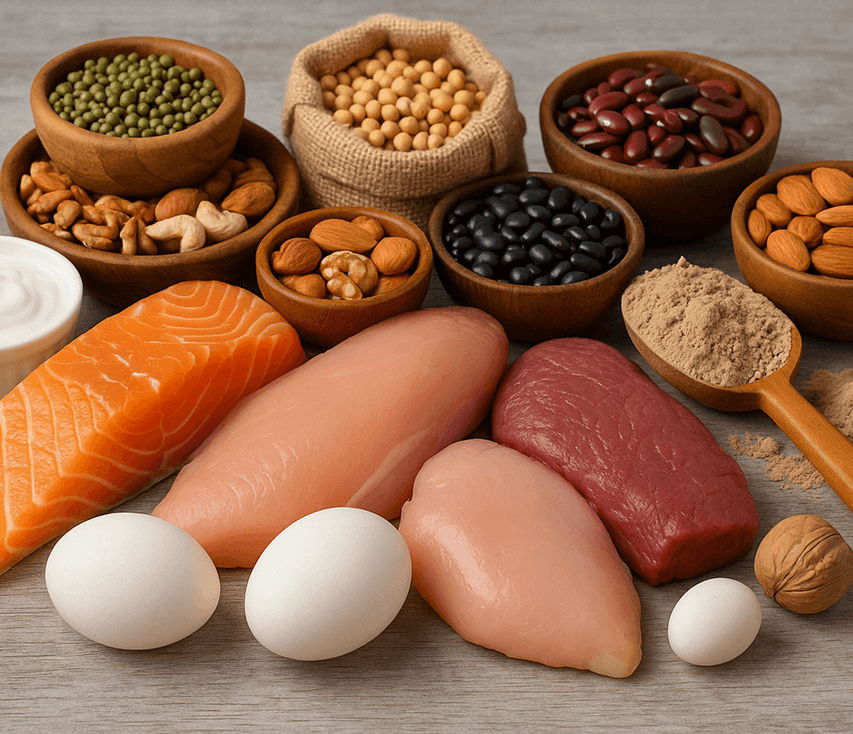
Whole, unprocessed foods provide the essential nutrients your body needs to repair itself and reset its metabolism. Unlike ultra-processed foods, which can burden the body with artificial additives and empty calories, whole foods offer vitamins, minerals, healthy fats, and fiber that support digestion, boost energy levels, and improve metabolism.
A metabolism reset begins with three key areas:
- Balancing Blood Sugar
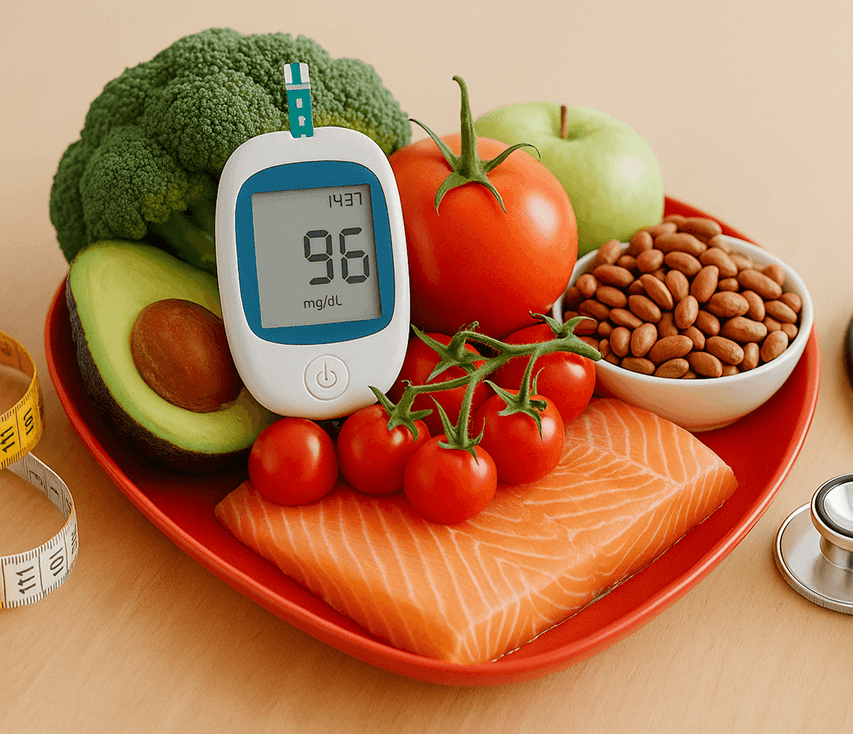
One of the most important aspects of metabolism is blood sugar regulation. When we consume processed foods high in refined carbohydrates and sugars, our blood sugar levels spike and crash, leading to energy dips and cravings. To balance blood sugar, it’s essential to eat meals that contain protein, healthy fats, and fiber, which help slow the release of sugar into the bloodstream and maintain steady energy levels throughout the day.
- Supporting Detoxification
Your liver plays a pivotal role in metabolism. It filters toxins from the body, metabolizes fats, and stores nutrients. However, when overloaded with processed foods, your liver becomes sluggish and less efficient. Whole foods, particularly fruits and vegetables, help support liver detoxification by providing antioxidants and compounds that assist the liver in eliminating toxins. Cruciferous vegetables like broccoli, kale, and cauliflower are especially beneficial for supporting the liver’s natural detox processes.
- Reducing Inflammation
Chronic inflammation is one of the primary causes of metabolic dysfunction. It impairs the body’s ability to burn fat efficiently and can lead to insulin resistance and weight gain. A diet rich in anti-inflammatory foods, such as leafy greens, nuts, seeds, and fatty fish, helps reduce inflammation and restore metabolic health. Omega-3 fatty acids, in particular, found in foods like salmon, chia seeds, and flaxseeds, have powerful anti-inflammatory properties that help improve metabolic function.
By focusing on nutrient-dense whole foods, we can significantly improve the way our metabolism works, ensuring that our bodies function efficiently and are better able to burn fat for energy rather than storing it.
How to Reset Your Metabolism in 7 Days
Resetting your metabolism doesn’t require extreme measures or restrictive diets. Instead, it’s about returning to the basics—eating real food, paying attention to portion sizes, and adopting a more mindful approach to eating. Here’s a 7-day plan to help reset your metabolism:
Day 1: Clean Up Your Diet
The first step is to eliminate processed foods from your diet. Start by cutting out refined sugars, artificial sweeteners, packaged snacks, and convenience meals. Replace these with whole, unprocessed foods like fresh vegetables, lean proteins, whole grains, and healthy fats. Focus on eating nutrient-dense meals that provide sustained energy without spikes and crashes.
For example, try a breakfast of scrambled eggs with avocado and whole grain toast, or a smoothie made with leafy greens, almond milk, and chia seeds. For lunch and dinner, opt for grilled chicken with quinoa and roasted vegetables, or a lentil salad with olive oil and lemon dressing.
Day 2: Hydrate and Support Detoxification
Hydration is an essential part of the metabolism reset process. Aim to drink at least 3-4 liters of liquids throughout the day. Water, herbal teas (such as green tea or peppermint tea), and fresh lime water are excellent choices that help cleanse and detoxify the body.
Incorporate hydrating foods like cucumbers, watermelon, and citrus fruits into your meals to help flush out toxins and keep your metabolism running smoothly.
Day 3: Include Healthy Fats and Fiber
Healthy fats and fiber are crucial for balancing blood sugar levels and supporting the body’s natural fat-burning processes. Include sources of healthy fats such as avocado, nuts, seeds, and olive oil in your meals. Fiber-rich foods like fruits, vegetables, and whole grains also help with digestion and provide sustained energy throughout the day.
For example, try a salad with mixed greens, chia seeds, and walnuts for a fiber boost, or add avocado and flaxseeds to your smoothie for healthy fats.
Day 4: Incorporate Time-Restricted Eating
Time-restricted eating, which involves limiting your eating window to a specific period each day (e.g., eating between 12 PM and 7 PM), can help regulate your metabolism and improve insulin sensitivity. By eating during a set window, you give your body more time to focus on digestion and repair rather than constantly processing food.
Aim to have longer gaps between meals, and try to finish your last meal of the day by sunset to align with your body’s circadian rhythm. This can support natural detoxification and help improve metabolic function.
Day 5: Add Movement to Your Routine
Movement is essential for a healthy metabolism. Even simple habits like a morning walk, stretching, or yoga can help boost metabolism, reduce stress, and improve digestion. Regular movement helps maintain muscle mass, which in turn supports fat burning and overall metabolic health.
Aim for at least 30 minutes of moderate activity each day. This could be a brisk walk, a yoga session, or a light strength training workout.
Day 6: Focus on Gut Health
Your gut health plays a critical role in metabolism. When your gut is healthy, it helps improve nutrient absorption, reduce inflammation, and support hormonal balance. To enhance gut health, include probiotic-rich foods like yogurt, kefir, and fermented vegetables (e.g., sauerkraut, kimchi) in your diet.
You can also support digestion by consuming fiber-rich foods like whole grains, beans, and leafy vegetables, which help keep things moving smoothly in the digestive tract.
Day 7: Prioritize Rest and Stress Management
Stress can have a significant impact on your metabolism, leading to hormone imbalances, fat storage, and fatigue. Make sure to prioritize rest and relaxation during your metabolism reset. Try to get 7-9 hours of quality sleep each night, practice deep breathing exercises, and engage in calming activities like meditation or journaling.
You can also enhance relaxation by drinking herbal teas, such as chamomile or lavender, which are known to promote relaxation and better sleep.
Beyond the 7-Day Reset: Maintaining Long-Term Results
A 7-day reset is just the beginning. To maintain a healthy metabolism and continue reaping the benefits of your reset, focus on making lasting lifestyle changes. Commit to eating whole, unprocessed foods, staying hydrated, and engaging in regular physical activity. Keep your stress levels in check and make sure to prioritize sleep and self-care.
Remember, metabolism is not something that can be “fixed” in a few days—it’s an ongoing process that requires consistency and mindful choices. But with a little effort and the right approach, your body can thrive, providing you with the energy and vitality you need to feel your best.
By choosing whole, nourishing foods, embracing mindful eating, and adopting healthy habits, you can reset your metabolism, improve digestion, and support long-term health.